
Dept. of Ecological Hydrology & Technical Hydrobiology
Head of Department
Дубняк Сергій Сергійович
к.геогр. н., доцент
Deputy Head of Department
Силаєва Анжеліка Алімівна
ст.н.с., к.б.н.

Research Directions
Fundamental Research:
- Study of hydrodynamic and hydrophysical conditions governing the functioning of continental freshwater ecosystems, and identification of the mechanisms by which these conditions affect reservoir bioproductivity and water quality.
- Development of methodology and methodological tools for managing aquatic ecosystems through artificial regulation of their hydrological regime.
- Investigation of the structural and functional organisation of techno-ecosystems as one of the new types of anthropogenically dependent ecosystems in the modern biosphere.
Applied Research:
- Development of methods and means for improving the state of cascade lowland reservoir ecosystems through ecological optimisation of hydropower facility operation regimes.
- Development of ecological requirements for the operating rules of large reservoirs.
- Development of recommendations for improving the ecological state of urbanised water bodies of Ukraine.
- Development of principles and methodology for hydrobiological monitoring of water bodies within techno-ecosystems as one of the key elements of the optimisation system aimed at minimising environmental impacts and reducing biological obstacles in the operation of technical systems.
Results
Current hydrological conditions of cascade reservoir ecosystem functioning have been evaluated. Climate change has been shown to significantly affect water availability and the hydrological regime of Ukrainian rivers. The water exchange period of the Dnieper reservoirs has weakened by approximately 7% compared to the 1980s. In shallow zones, external water exchange is more active than in zones influenced only by runoff currents. Over the period of reservoir existence, water temperature has risen by 1.2–1.5 °C. Warming has shortened the duration of ice phenomena and reduced ice thickness by 10 cm. Nearly 90% of suspended matter accumulates in the reservoir beds.
As part of the search for conceptual approaches to developing methods for managing the state of aquatic techno-ecosystems, the most adequate integral indicators of that state have been identified: content and dynamics of organic matter and dissolved oxygen, heat content, concentration of suspended matter, etc. Models for determining the accepted indicators have been recommended.
Models for calculating elements of the hydrological regime of reservoirs under different hydropower plant and pumped-storage plant discharge conditions have been improved. Comprehensive study of cooling ponds and other aquatic objects of thermal and nuclear power plant techno-ecosystems, begun in 1962, continues. Based on decades of research, the concept of the techno-ecological system has been formulated.
Studies of the cooling and technical water supply systems of nuclear power plants formed the basis for developing the Corporate Standard STP 0.03.088-2010 "Procedure for developing the regulation of hydrobiological monitoring of the cooling pond, cooling systems, and technical water supply system of VVER-type NPPs" for NAEK Energoatom.
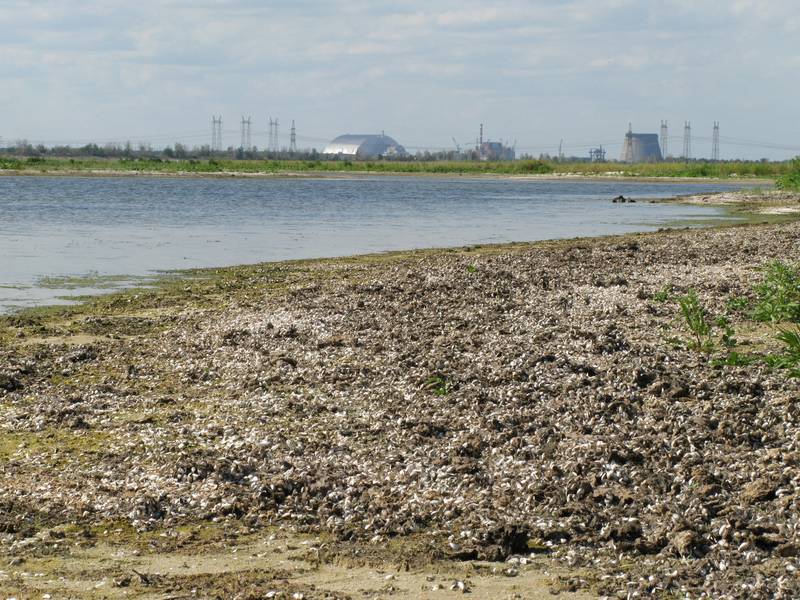
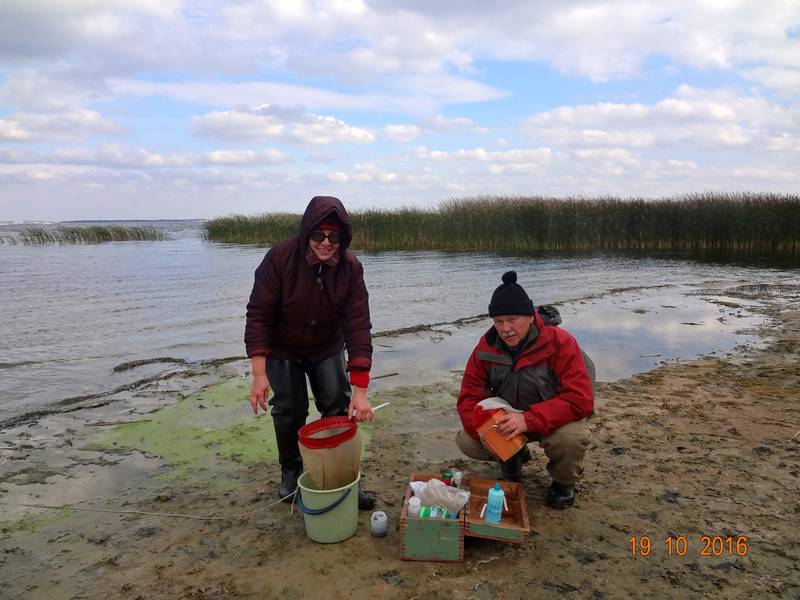
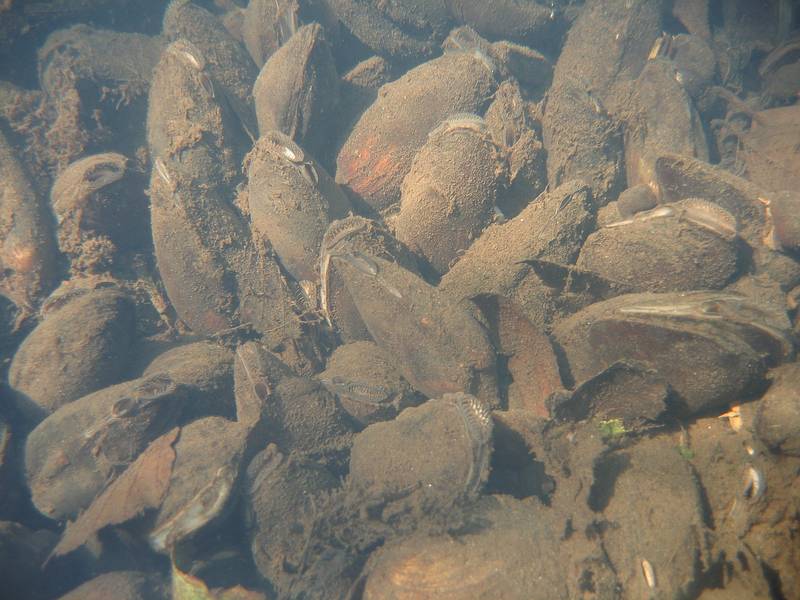
A series of hydrobiological studies was conducted during the unique project of decommissioning and draining the Chernobyl NPP cooling pond. Important data on technogenic ecosystem succession in benthic invertebrate and periphyton communities were obtained.
The Technical Hydrobiology Group of the Institute of Hydrobiology has established and continuously updates the WaCo (Water Communities) hydrobiological database covering all NPP cooling ponds in Ukraine, many thermal power plants, and numerous techno-dependent water bodies.
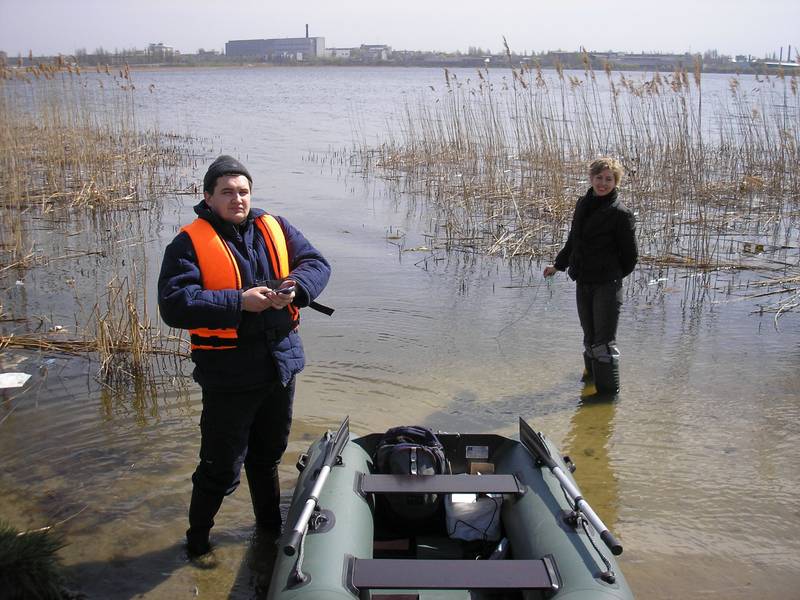
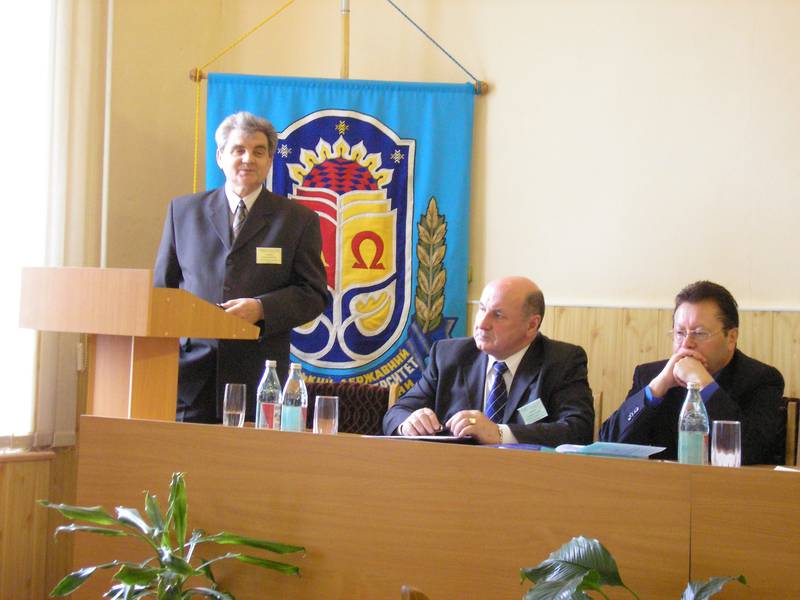
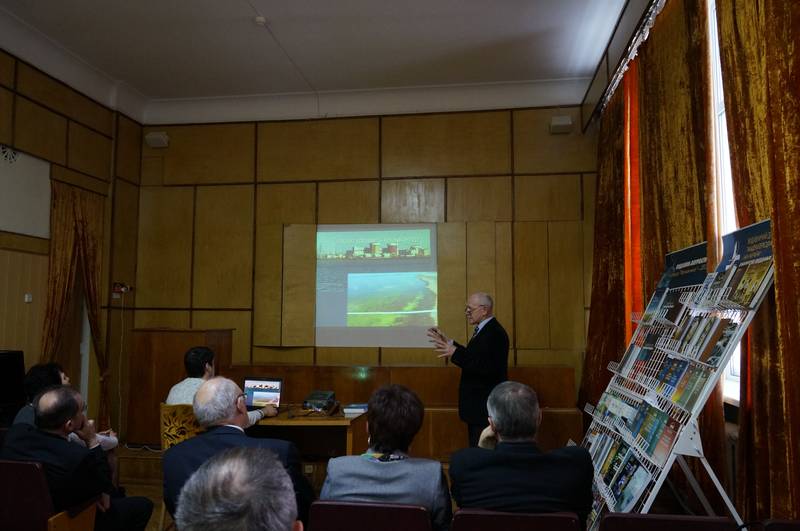
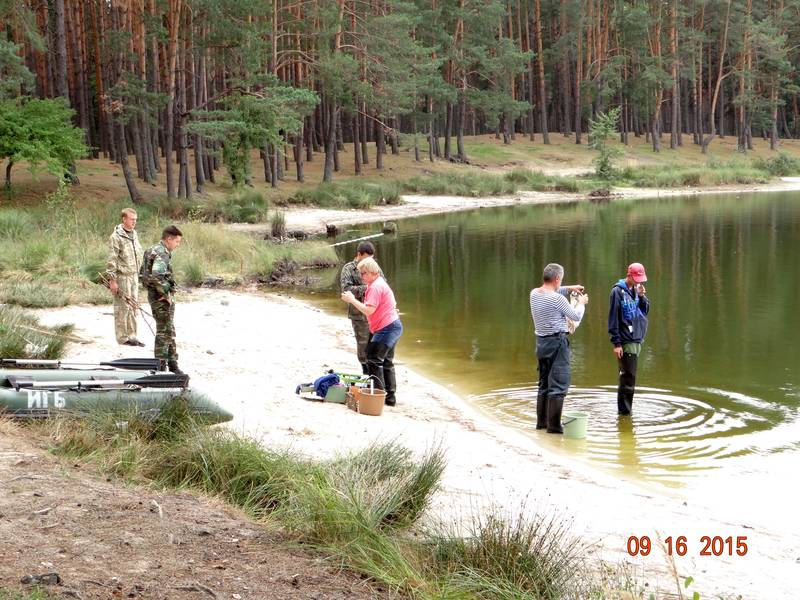
Illustrations



Selected Publications
- Дубняк С.С. Еколого-гідроморфологічний підхід до обґрунтування берегозахисту на дніпровських водосховищах // Гідрологія, гідрохімія і гідроекологія: Наук. збірник. – 2015. – Т.3(38). – С. 16–24.
- Дубняк С.С. Основні положення еколого-гідроморфологічного напряму досліджень екосистем крупних рівнинних водосховищ // Гідрологія, гідрохімія і гідроекологія: Наук. збірник. – К.: ВГЛ «Обрії». – 2008. – Т.14. – С. 62–74.
- Дубняк С.С. Эколого-гидроморфологический анализ биотопической структуры крупных равнинных водохранилищ // Географический вестник. – Пермь, 2013. – №3 (26). – С. 107–120.
- Оксиюк О.П., Тимченко В.М., Давыдов О.А. и др. Экологические попуски Киевской ГЭС. – Киев: ЛОГОС, 2003. – 72 с.
- Правила експлуатації водосховищ Дніпровського каскаду / За ред. А.В. Яцика – Київ: Ґенеза, 2003. – 176 с.
- Протасов А.А. О водных техноэкосистемах и их месте в биосфере. – Journ. of Siberian Federal University. Biology 4. – 2013. – N 6. – Р. 405–423.
- Протасов А.А., Панасенко Г.А., Бабарига С.П. Биологические помехи в эксплуатации энергетических станций, их типизация и основные гидробиологические принципы ограничения // Гидробиол. журн. – 2008. – Т. 44, № 5. – С. 36–53.
- Протасов А.А., Немцов А.А., Масько А.Н., Силаева А.А. Концепция техно-экосистемы и ее значение для развития экологической политики в атомной энергетике Украины. – Ядерна енергетика та довкілля. – 2013. – № 1. – С. 59–62.
- Протасов А.А., Силаева А.А. Контурные группировки гидробионтов в техно-экосистемах ТЭС и АЭС / Институт гидробиологии НАН Украины. — Киев, 2012. — 274 с.
- Протасов А.А., Силаева А.А., Новоселова Т.Н. Опыт многолетнего гидробиологического мониторинга техноэкосистем АЭС. – Ядерна енергетика та довкілля. – 2016. – № 1 (7). – С. 33–36.
- Силаєва А., Протасов О. Довгострокові зміни у контурних угрупованнях водойми-охолоджувача Чорнобильської АЕС // Biodiversity after the Chernobyl accident. Part II. – Nitra: Slovak University of Agriculture, 2016. – Р. 211–214.
- Техно-экосистема АЭС. Гидробиология, абиотические факторы, экологические оценки / Под ред. А.А. Протасова. – Киев: Ин-т гидробиологии НАН Украины, 2011. – 234 с.
- Тимченко В.М. Водообменные процессы как фактор формирования потоков энергии в экосистемах днепровских водохранилищ // Гидробиол. журн. – 46, №3. – 2010. – С. 105–120.
- Тимченко В.М. Экологическая гидрология водоемов Украины. – Киев: Наук. думка, 2006. – 383 с.
- Тимченко В.М. Экологическая гидрология днепровских водохранилищ // Гидробиол. журн. – 2006. – 42, №3. – С. 81–96.
- Тимченко В.М., Дараган С.В. Сменяемость воды в водоемах Киева // Гідрологія, гідрохімія і гідроекологія. – Київ, 2014. – Т. 4 (35). – С. 49–57.
- Тімченко В.М., Линник П.М., Щербак В.І. та ін. Екологічний стан урбанізованих заплавних водойм: Озеро Видубицьке (2007); Затока Берковщина (2009); Затока Осокорки (2011) – Київ: Логос.
- Тімченко В.М., Тімченко О.В., Гуляєва О.О., Холодько О.П., Вандюк Н.С. Еколого-гідродинамічне районування каскадних долинних водосховищ // Гідрологія, гідрохімія, гідроекологія. – 2010. – Т. 2 (19). – С. 23–29.
- Тімченко В.М., Тімченко О.В. Екологічно значущі елементи гідрології Кілійської дельти Дунаю в сучасний період // Гідрологія, гідрохімія і гідроекологія. – Том 11. – Київ: Обрії. – 2006. – С. 325–330.
- Fashchevski B., Timchenko V., Oksiyuk O. Ecohydrological Management of Impounded Large Rivers in the Former Soviet Union / Ecohydrology: Processes, Models and Case Studies. – Mixed Sources, 2008. – P. 247–275.
- Novoselova T.N., Protasov A.A. Phytoplankton of Cooling Ponds of Techno-Ecosystems of Nuclear and Thermal Power Stations (a Review). – Hydrobiol. J. – 2015. – Vol. 51. – Р. 37–52.
- Protasov A., Sylaieva A., Morozovska I., Lopes-Lima M., Sousa R. A massive freshwater mussel bed (Bivalvia: Unionidae) in a small river in Ukraine // Folia malacologica. – 2015. – Vol. 23. – P. 273–277.
- Protasov A.A. Biogeomes of hydrosphere and land as elements of the biosphere structure // Ecology and noospherology. – 2016. – Vol. 27, N 1–2. – Р. 5–15.
- Protasov A.A., Zubkova Ye.I., Silayeva A.A. Conceptual Approaches to Organization of Hydrobiological Monitoring of Techno-ecosystems of Thermal and Nuclear Power Plants. – Hydrobiol. J. – 2016. – Vol. 52, Iss. 2. – P. 59–70.
- Silayeva A.A., Protasov A.A., Morozovskaya I.A. Perennial Dynamics of Dreissenid (Dressenidae, Bivalvia) Populations and Communities in the Benthos and Periphyton of the Cooling Pond of the Chernobyl NPP. – Biology Bulletin. – 2016. – Vol. 43, N. 10. – Р. 1327–1333.
- Timchenko V. Application of the Ecohydrology Theory in Ukraine // Ecohydrology and Hydrobiology. – 2004. – 4, №3. – Р. 327–336.
- Timchenko V.M. Ecological hydrology (ecohydrology) as a part of the aquatic ecology // Ecohydrology & Hydrobiology. – Volume 16, Issue 2. – 2016. – P. 117–124.
- Timchenko V., Oksiyuk O. Ecosystem condition and water quality control at impounded sections of rivers by the regulated hydrological regime // Ecohydrology and Hydrobiology, 2002. – 2, (1–4). – P. 259–264.
- Timchenko V., Oksiyuk O., Lucas M.C. Oxygen regime improvement in large, lowland reservoirs during the winter period for reduction of fish suffocation: the example of the Dnieper reservoirs, Ukraine // Ecohydrology and Hydrobiology. – 2004. – 4, № 1. – P. 17–25.
- Timchenko V., Timchenko O. Ecological Aspects of Hydrology in a Navigable Channel "The Danube – The Black Sea" in Ukraine / Proceedings of the 37th IAD Conference, Chisinau, Moldova, 2008. – P. 310–313.
- Timchenko V., Huliaieva O. The management model of a state of aquatic system and water quality in the Dnieper River cascade reservoirs // EcoHydrology 2015, Lyon, France. – P. 79–83.