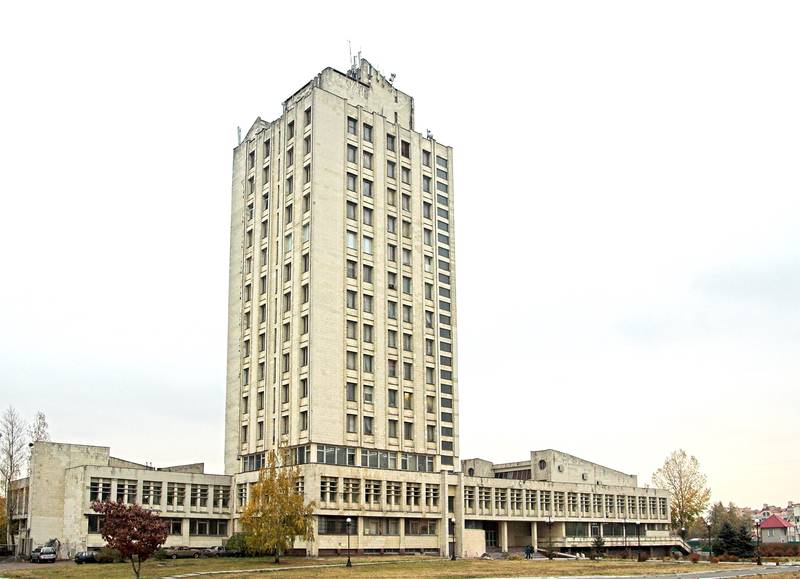
History of the Institute
The history of the Institute of Hydrobiology begins in 1909, when a small building of the Dnipro Biological Station — one of the first such stations in Europe — appeared on Trukhanov Island near Kyiv, under the auspices of the Kyiv Society of Nature Lovers.
In 1921 the Dnipro Biological Station became part of the Academy of Sciences of the Ukrainian SSR. By resolution of the Presidium of the All-Ukrainian Academy of Sciences on 13 February 1934, the station was reorganised into the Hydrobiological Station. In May 1939, a session of the Academy of Sciences of the Ukrainian SSR resolved to rename the Hydrobiological Station as the Hydrobiological Institute. The official government decision to establish the Institute of Hydrobiology was adopted in 1940 (Resolution of the Council of People's Commissars of the Ukrainian SSR No. 696 of 23 May 1940).
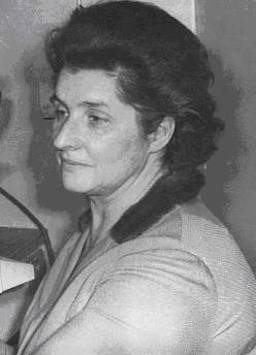
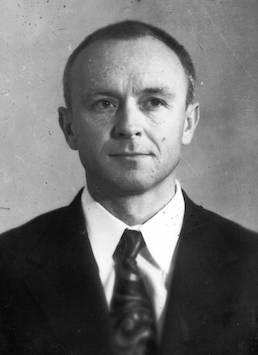
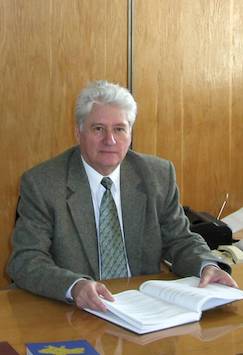
Directors of the Institute:
The first director of the Dnipro Biological Station was Prof. M.O. Koppen (1909–1910).
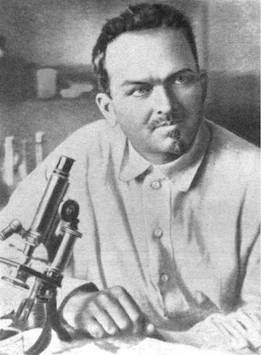
In 1920–1921 the duties of head of the station were performed by Prof. M.H. Kholodnyi (from 1929 — Academician of the AS of the Ukrainian SSR). V.I. Vernadsky, the first president of the All-Ukrainian Academy of Sciences, also worked here for a period.
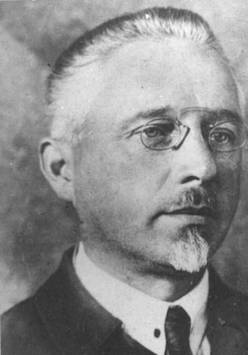
From 1922 to 1937 the station was directed by the eminent ichthyologist and hydrobiologist Prof. D.Ye. Beling.
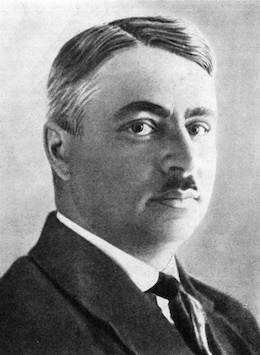
From 1937 the Hydrobiological Station, and from 1939 the Hydrobiological Institute, was headed by Corresponding Member of the AS of the Ukrainian SSR Ya.V. Roll, who served as director until 1959.
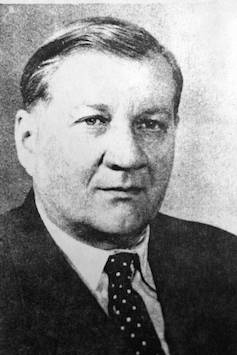
In 1959–1973 — Academician of the AS of the Ukrainian SSR O.V. Topachevsky;
in 1974–1975 — L.Ya. Sirenko; in 1975–1979 — V.I. Maliuk.
From 1980 to 2016 — Academician of NAS of Ukraine V.D. Romanenko.
Since 2016 the Institute has been headed by Corresponding Member, Doctor of Biological Sciences, Prof. S.O. Afanasiev.
Historical stages
The history of the Institute of Hydrobiology of NAS of Ukraine is inseparably linked with the development of hydrobiological research worldwide and was largely shaped by the complex problems and tasks that society set before science — tasks whose resolution was impossible without conducting profound fundamental theoretical and applied research by academic institutions. Five stages can be distinguished in the history of the Institute, characterised by the gradual evolution of research problems, the corresponding priority research directions, increasing sophistication of conceptual and methodological approaches, and expansion of the methodological toolkit.
Accumulation of primary zoological, botanical, hydrobiological, and ichthyological material, chiefly from water bodies and watercourses near Kyiv. Creation of the prerequisites for transforming the biological station into the Institute of Hydrobiology of the Academy of Sciences.
The main research focus was on fish productivity in natural and artificial water bodies with a view to meeting the economy's demand for high-value food products. The food base of fish was studied, pond fisheries were developed, measures were taken to introduce forage organisms (Ponto-Caspian fauna) into the Dnipro reservoirs to boost their fish productivity. At the same time, floristic and faunistic studies of inland water bodies continued; a comprehensive hydrochemical survey of various aquatic objects of Ukraine was conducted; and sanitary-hydrobiological research was initiated.
The main research focus was "clean water" and water quality. The global challenge of water supply for the population, industry, and agriculture came to the fore. This was the era of river regulation, redistribution, and inter-basin water transfer. Research became comprehensive at this stage. To address the emerging problems, a series of fundamental and applied hydrobiological studies of the Dnipro and its reservoirs, and of the Danube water bodies, were carried out.
The main focus was the ecological assessment of the impact of natural and anthropogenic factors on aquatic ecosystems. The ecosystem approach became the guiding concept: studying the biotic components of aquatic ecosystems in relation to the abiotic component. Methodology and methods for forecasting the ecological state of aquatic objects of Ukraine were developed. Global contamination of the aquatic environment necessitated the development of an ecotoxicological research direction. The Chornobyl Nuclear Power Plant accident accelerated the development of radioecological research.
Overcoming the economic difficulties of the transition period following the collapse of the USSR and the establishment of an independent Ukraine was accompanied by a shift in conceptual perspectives. In connection with Ukraine's accession to the main international conventions on environmental conservation, biodiversity preservation rose to one of the leading positions on the research agenda. In line with Ukraine's European integration aspirations, modern principles for assessing the ecological status of water bodies — as enshrined in the EU Water Framework Directive 2000/60 — have been progressively incorporated into hydrobiological research.